Getting the right Raleway font family combination for luxury branding is about balancing minimalism with high-end appeal. Raleway is an elegant sans-serif with distinct geometric roots, making it a popular choice for premium visual identities. But on its own, it can look a bit too plain. To build a sophisticated brand identity, you need to pair it with typefaces that add contrast, weight, and personality without cluttering the design.
What makes a typeface pairing feel high-end?
Luxury design relies heavily on negative space, clean lines, and subtle contrast. When you use thin, wide letterforms, the text automatically feels more expensive and deliberate. However, a premium look requires a strong visual hierarchy. You need a striking display font for headlines and a highly legible text font for the details. When building a premium visual identity, exploring specific display font pairings for high-end products helps establish the right balance between elegance and readability.
Which fonts pair best with Raleway for premium brands?
How do you create a classic editorial look?
The most effective combinations rely on contrast. Pairing a delicate sans-serif with a heavier, more ornate style creates visual interest. Mixing Raleway with Playfair Display works beautifully for fashion, jewelry, or boutique hotels. The high contrast and thick-to-thin strokes of the serif headline draw the eye, while the clean sans-serif keeps the supporting text modern and uncluttered.
What works for modern architectural or tech brands?
For a sharper, more structured look, try Montserrat. Using Montserrat in a bold, uppercase weight for headers and a lighter sans-serif weight for body copy creates a highly professional, minimalist layout. If you want a softer, more romantic feel for your brand, Cormorant Garamond offers a beautiful sweeping serif that contrasts nicely with geometric sans-serifs.
Why do some font pairings look cheap?
It is easy to ruin a clean layout by choosing clashing styles, which is why knowing the worst typefaces to mix with this sans-serif is just as important as finding the right ones. Here are the most common mistakes that degrade a luxury aesthetic:
- Using ultra-thin weights for body text: The thinnest weights look great in large headlines but become nearly illegible at small sizes. Stick to Regular or Medium weights for paragraphs to maintain readability.
- Pairing it with another low-contrast sans-serif: Mixing it with standard system fonts creates a muddy, indistinct look. You need a serif or a high-contrast geometric font to create clear separation between headings and body copy.
- Ignoring letter spacing: Luxury branding often uses wide tracking for uppercase headlines. If you apply wide tracking to lowercase body text, it looks broken and unprofessional.
When should you use this typography style?
This specific typographic approach works best when the brand needs to project exclusivity, calm, and attention to detail. You will see it often in high-end skincare packaging, minimalist boutique websites, and premium real estate brochures. This approach also works exceptionally well for exclusive gatherings, and applying the right typography rules for exclusive event stationery ensures your physical print materials perfectly match the digital experience.
How do you test your font choices before launching?
Before you finalize your brand guidelines, you need to test the pairing in real-world scenarios to ensure it holds up across different mediums. Follow this practical checklist:
- Print your headline and body text combinations on paper to check physical readability and ink spread.
- View the text on a mobile screen to ensure the thinner weights do not disappear on lower-resolution displays.
- Check how the fonts look in grayscale to ensure your contrast relies on weight and style, not just color differences.
- Limit your final selection to two typefaces to maintain a clean, cohesive visual identity.
 Showcase Pairings: Raleway for Event Invitations
 Raleway Readability Pitfalls with Companion Fonts
 Professional Font Pairings with Raleway for Financial Data
 Raleway Pairings for Tech Startup Blogs
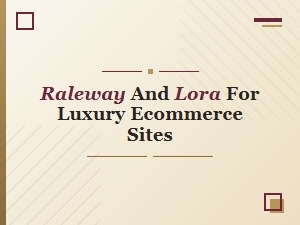 Elegant Pairings: Raleway and Lora for Luxury Sites
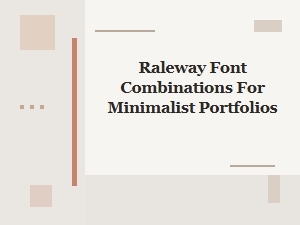 Complementary Fonts to Pair with Raleway for Minimalist Portfolios